By: Paul Abner
When I first started writing about ions, echoes, and the strange imprints we leave behind, I thought maybe I was chasing smoke. A whisper here, a spark there. A story that felt too big, too far out, too unexplainable to carry much weight.
But the more I walked through history, through Pennhurst’s halls, through the conversations with curious minds like Chris, and into the corners of science itself, I realized something: the smoke always led back to fire.
Everywhere we look, there are trails. The electromagnetic paths left by particles as they move through space. The chemical dance of positive and negative ions, forever pulling and pushing. The emotional signatures we feel when we meet someone for the first time, a connection or a repulsion so deep it feels older than language. The love of Romeo and Juliet, reckless but undeniable, mirroring the bonds of particles that must come together no matter the cost.
It’s all connected.
Science. History. Love. Loss. The living. The dead.
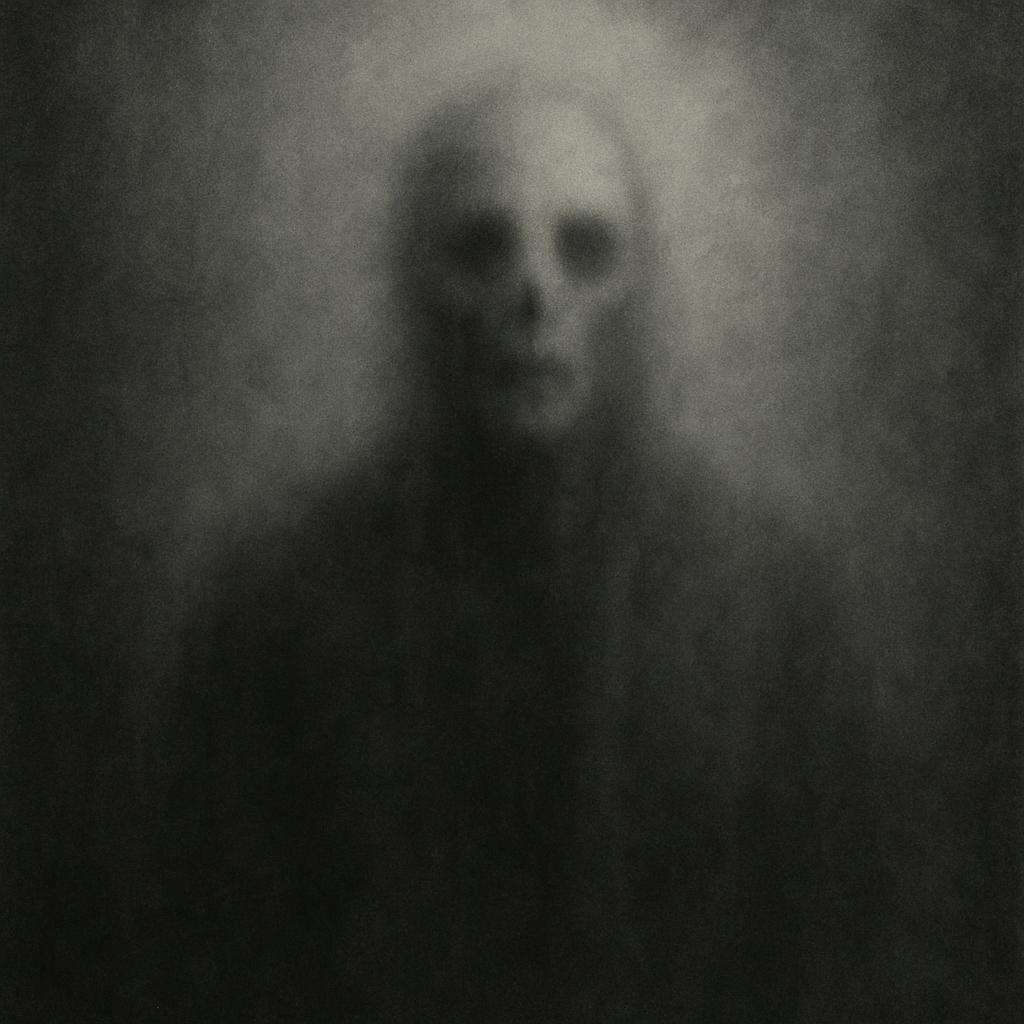
And maybe—just maybe—the echoes that remain when we are gone are not just memories or ghosts but living imprints, suspended in the very air we breathe.
We’ve explored how energy trails might explain hauntings, how bio-ionic signatures could unlock the mystery of human attraction, how free radicals reflect the chaos of toxic relationships. We’ve even dared to wonder if our strongest feelings—love, hate, grief—are not abstract at all, but measurable. Traceable. Waiting for the right moment, the right receiver, to spark again.
And that’s where the questions begin to grow louder than the answers.
If our echoes remain, who is listening?
If our signatures can align with another’s, does love live in the body, or in the field between us?
If energy cannot be destroyed, what happens to the deepest parts of us when our bodies are gone?
Are we destined to keep colliding, lifetime after lifetime, until balance is finally reached?
I don’t have the answers. Maybe I never will. But what I do know is this: when you stop to feel the charge in the air, when you sense that familiar spark in a stranger’s smile, when a place hums with memory as if it’s breathing through the walls—you are standing in the middle of something real.
And maybe that’s the whole point.
The story of ions is the story of us.
And some stories don’t end.
They echo.


Leave a Reply