24hrs at Pennhurst
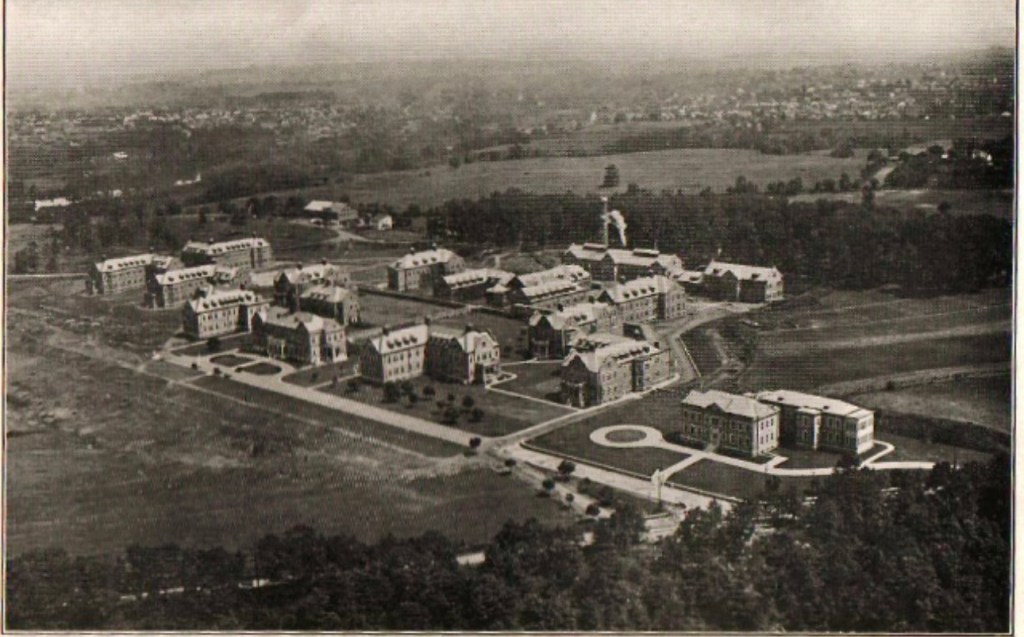
During the early days of my exploration of Pennhurst State School and Hospital — once called the Eastern Pennsylvania State Institution for the Feeble-Minded and Epileptic — I, like many others, was drawn primarily to what remains now: a crumbling relic of a darker history, haunted by rumors, tragedy, and restless whispers.
On Saturday, September 6th, I found myself driving a winding, tree-lined road that led to the old front gates of Pennhurst — uncertain of what awaited, but hoping for something profound. What I found was so much more than I expected.
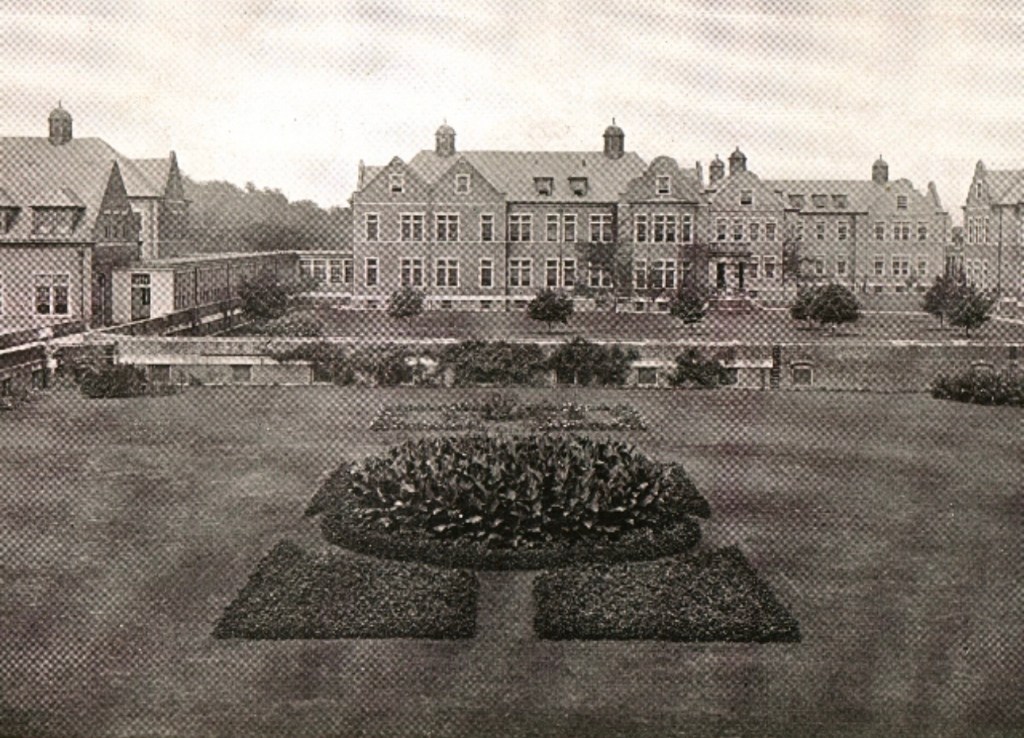
I had planned to begin the day with a history tour, to ground myself in the real story of the place. My guide — a man named Chris — seamlessly bridged the gap between documented fact and folklore. He walked us through the original layout, the buildings and their functions. We talked about the early days of the institution, how it was built to resemble a self-contained village: dormitories, hospital, school, workshops, a farm and dairy, even its own power plant and support buildings.
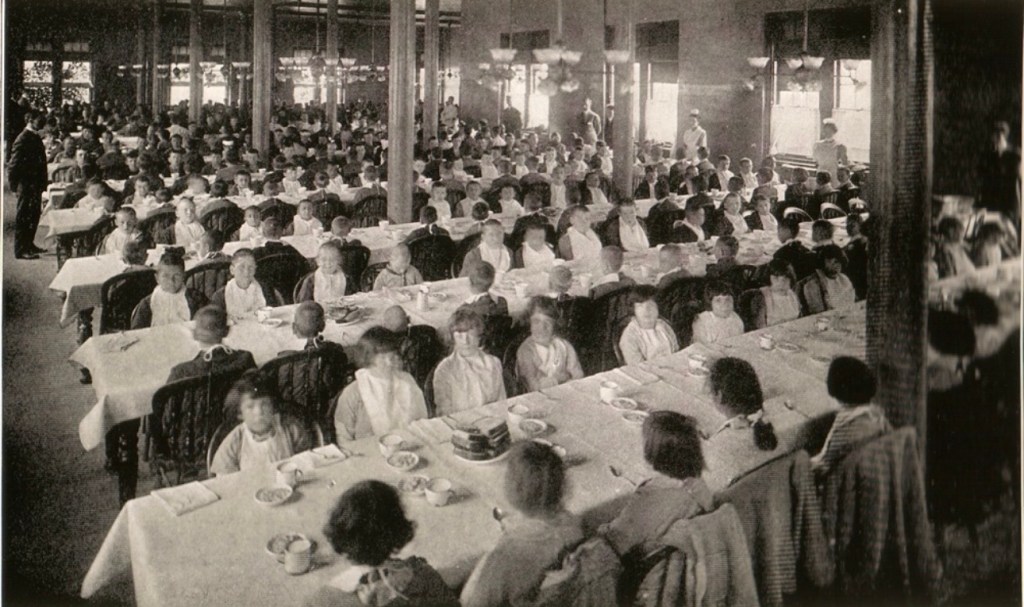
Chris also mentioned lesser-known details — for instance, that at one time there were athletic teams, social clubs, even a marching band for residents, underscoring how the campus once tried to be a community.
After the tour, I sat down with Chris and asked about my theory — about ions, about residual energy and whether perhaps, if places retain memory, this place might still echo the lives that passed through it. Having someone with a background in physics to discuss these ideas was unexpectedly valuable.
The conversation lingered with me. Knowing the real history — the idealistic beginnings, the rapid overcrowding, the institutional neglect, the countless souls who lived (and died) within those walls — cast the decaying buildings in a new light. The quiet corridors, the tunnels beneath the dirt and stone, the faded bricks — they became more than spooky scenery. They felt like silent witnesses.
In that moment, Pennhurst transcended horror-house folklore. It became a somber monument to suffering, injustice, and memory
Pennhurst had more than a few surprises waiting for me. As I sat in the parking lot eating my lunch, replaying everything Chris had told me, I noticed a man walking toward me — alone, calm, almost as if he had something he needed to say. His name was Dave.
What struck me immediately was what he carried with him: his mother’s history. She had worked at Pennhurst. Through him, the place suddenly felt less like an abandoned institution and more like a world where real people once fought their own uphill battles behind those walls.
Dave told me about his mother’s years on staff — how she entered the job wanting to do right by the residents, the same way many nurses did when they first walked onto the grounds. And that’s where the truth of Pennhurst hit a different nerve. The nurses weren’t villains. They weren’t indifferent. They were overwhelmed — swallowed whole by a system that gave them impossible circumstances and far too few tools to meet them.
Pennhurst was chronically underfunded almost from the beginning. The state kept expanding the population while refusing to expand the budget. That meant nurses were often responsible for far more residents than any one person could safely care for. Some juggled dozens of patients at once. Supplies ran thin. Beds filled faster than staff could manage. Training was inconsistent. New hires burned out quickly. And the ones who stayed — many of them stayed out of loyalty, not because the job ever got easier.
Hearing that from someone who grew up watching the toll it took on a parent changed the way I looked at Pennhurst. The failing wasn’t in the hands of the nurses. The failing was in a system that left them outnumbered, under-resourced, and expected to perform miracles in a place built on too little hope and too much neglect.
In that parking lot, Pennhurst shifted again for me — from legend, to tragedy, to a human story carried forward by the people who lived it.
As night settled over the campus, something in the air shifted. I felt a pull—quiet but undeniable—as if Pennhurst itself wanted me there, wanted me to understand it on a level deeper than sight or sound. It wasn’t just curiosity anymore. It felt… orchestrated. Right place, right time. But also something more deliberate, like the building had reached out and nudged me forward.
Meeting Chris felt like wild coincidence at first. Then meeting David later—same energy, same timing—made me wonder if I wasn’t being pushed onto a path bigger than I could see. Pennhurst wasn’t just a decaying set of brick and steel. It was a presence. And it was speaking. All I had to do was shut up and listen.
When the ghost tour finally kicked off, I wanted to walk into my first hunt stripped down—no gadgets, no distractions. Just my senses. If the place had something to say, I wanted nothing between us.
I hit record and asked my first question: “How do you really exist?”
In the moment, the hallway held its breath. No footsteps. No voices. Just the heavy stillness that seems to press against your ribs in old buildings.
But later—during playback—a scream tore out of the silence. A man’s voice, raw and agonized, echoing from deep down the corridor. Hearing it made my chest tighten. My mind spun. It felt impossible… but there it was, stamped into the audio like it had always been waiting for me to find it.
Here’s the video:
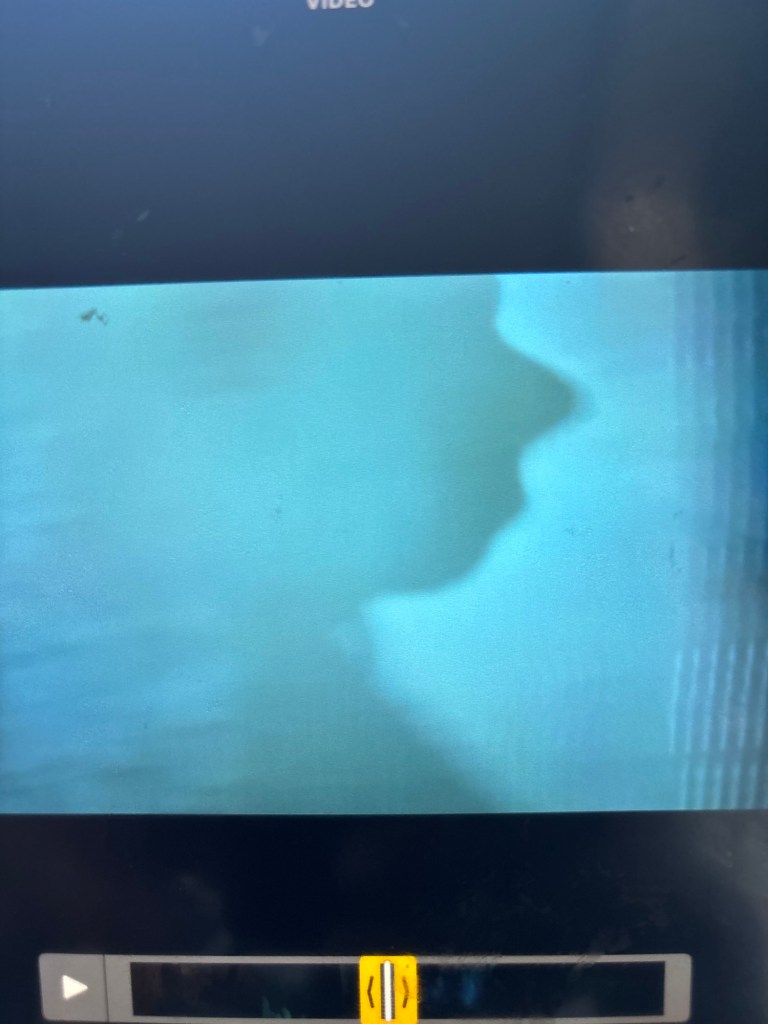
Things didn’t slow down—not even for a second. Pennhurst had one more card to play. Hearing that scream was enough to jolt my nerves, but moments later, the night pushed even further. I caught his silhouette on camera. A full figure, standing where no one should’ve been. Seeing it on playback sent a chill straight through me.
I’ll leave you with the video—and with this.
For a first investigation, this place didn’t just deliver; it opened a door I can’t ignore. I’m already feeling the pull to go back, but this time I’m bringing everything I need to really test my theory. If the Abner Ion Echo Theory holds up under full investigation, then together we might be standing at the edge of one of the greatest discoveries in human history.
Until next time, my friends—remember: lives don’t end. They echo.
Here’s the video:
 Echoes of the Unknown Magazine