By: Paul Abner
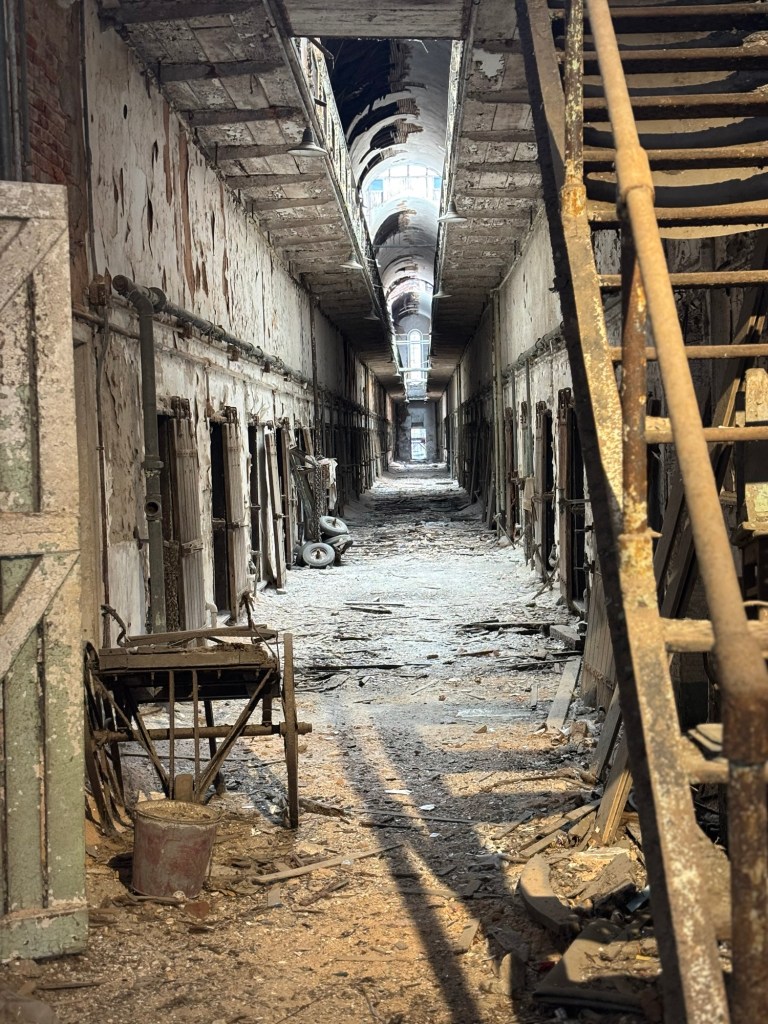
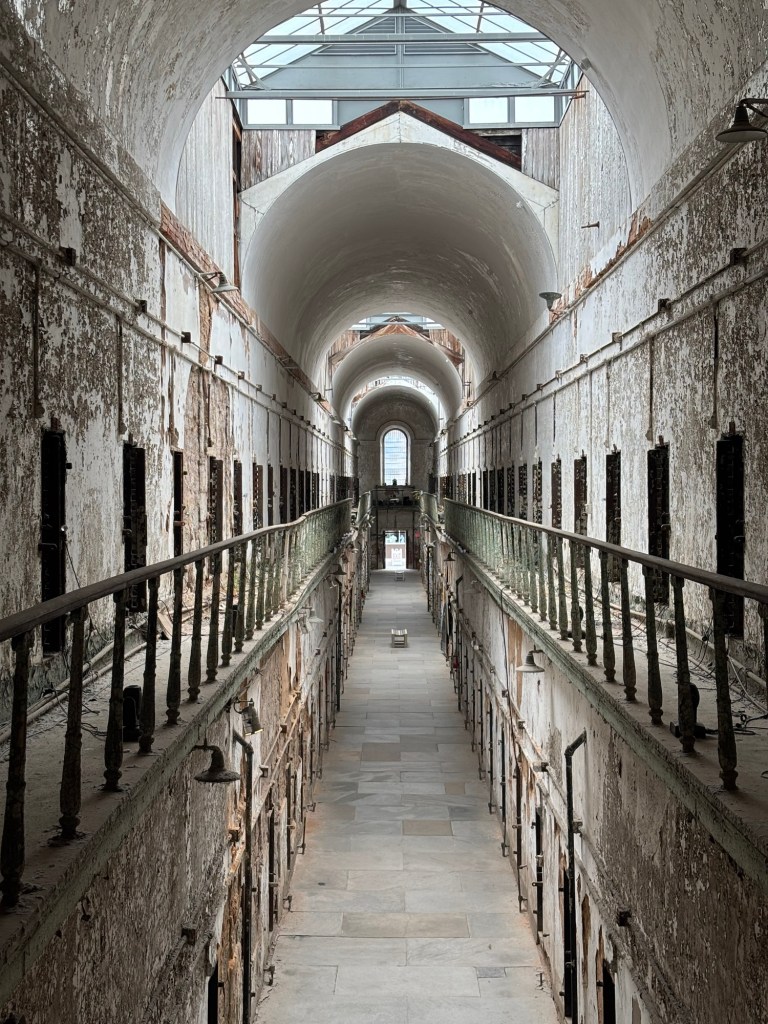
Time drifts by as our world’s only certainty. Dust and debris gather along the weathered halls of Philadelphia’s Eastern State Penitentiary. Although its history alone is enough to draw me here—as America’s first prison—I did not come to reflect on punishment or prison reform. I came to chase a question that has pulled generations into these same corridors: Does life continue after death?
Opened in 1829, Eastern State was once the most expensive and advanced prison in the world. Its “Pennsylvania System” kept inmates in strict solitude, meant to spark reflection and penitence. But silence soon became cruelty. Madness echoed through the stone cells as men cracked under the weight of isolation.
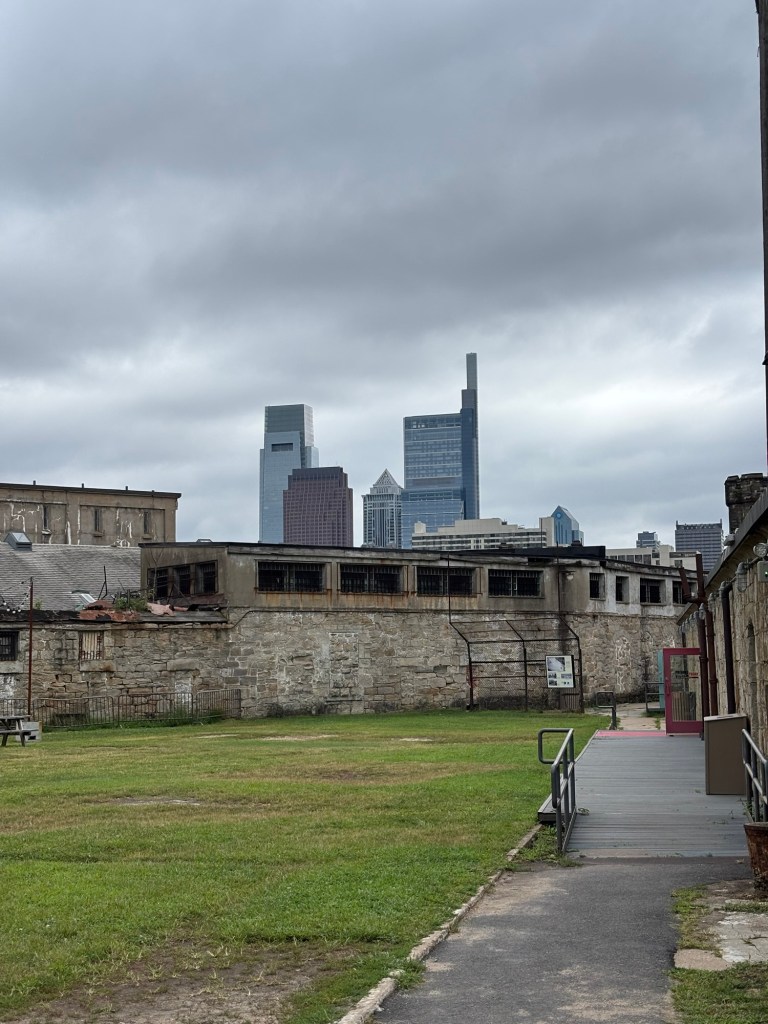
By its closing in 1971, thousands had passed through these gates—including infamous figures like Al Capone and “Slick Willie” Sutton. Today, the crumbling corridors stand as monuments to suffering, earning Eastern State its reputation as one of America’s most haunted places.
The prison’s gothic spires still loom over the modern city, reminding us of the past. For paranormal researchers, it remains fertile ground: a place where the living might glimpse proof of what lies beyond the veil.
For me, the pursuit has always been personal. Since childhood, I’ve been drawn to the possibility of another dimension running parallel to our own. After all, existence itself feels improbable enough—so why not the persistence of consciousness beyond death? Who wouldn’t be curious about walking as an immortal, translucent being, freed from mortal limits?
The Rise of the Paranormal Renaissance
The early 2000s sparked what I call a “paranormal renaissance.” Technology—cellphones, the internet—connected like-minded seekers like never before. What had been a fringe pursuit quickly became mainstream entertainment.
MTV’s Fear (2000–2002) gave viewers their first taste of immersive paranormal TV. Then Ghost Hunters (2004) burst onto the scene with the TAPS team, who brought a new philosophy: debunk first, prove later. They searched for natural explanations before considering the supernatural. That approach gave credibility to the evidence they couldn’t explain away—and changed paranormal television forever.
I was hooked. Wednesday nights became sacred as I joined TAPS from my couch, waiting for that next unexplainable moment. Soon, entire networks dedicated themselves to the paranormal.
But here in 2025, something feels different. What once felt like a pioneering field has become an industry. Everyone promises a “scientific approach,” but most shows recycle the same script. Instead of bold explorers, we get reruns of the same song and dance. Paranormal research has started to feel more like a tourist attraction than a frontier.
So where do we go from here?
Reframing the Question
Maybe the problem is that we’ve stopped asking the fundamental question: Is there life after death?
If we return to that starting point, new paths open. What if the phenomena we call “ghosts” aren’t spirits at all, but echoes of human bioelectric energy carried on by ions that mimic our signals the way parrots mimic speech? Are we victims of advanced “matrixing,” our minds turning collective belief into reality? Say it, say it, believe it?
Why are haunted places most terrifying at night? Darkness itself isn’t evil—it’s simply when human senses are weakest, when predators historically had the advantage. Perhaps ghosts are just another predator of the dark: something we fear because we fail to understand how to match it on equal ground.
The Next Evolution
Paranormal research doesn’t need another television show or flashy gadget. It needs a return to imagination, discipline, and fundamental curiosity. It needs researchers willing to cross-pollinate with fields like physics, psychology, and biology.
As I stand again in Eastern State’s crumbling halls, I wonder: is the silence just silence, or something deeper? In the daytime, those fight or flight instincts seem to be totally at ease in this place. It’s a time machine transporting me back to a dark era, when human cruelty through ignorance seemed to peak. A time very much like today in many ways, for our own ignorance may be holding us back from true advancements yet again.
Paranormal research may feel stagnant, but the questions remain alive. The next breakthrough won’t come from ghost-hunting celebrities—it will come from those willing to ask the uncomfortable questions and chase the unknown without fear of looking foolish.
Until then, the stone walls of Eastern State will continue to whisper, waiting for someone brave enough to truly listen.


Leave a Reply